Football Wins?

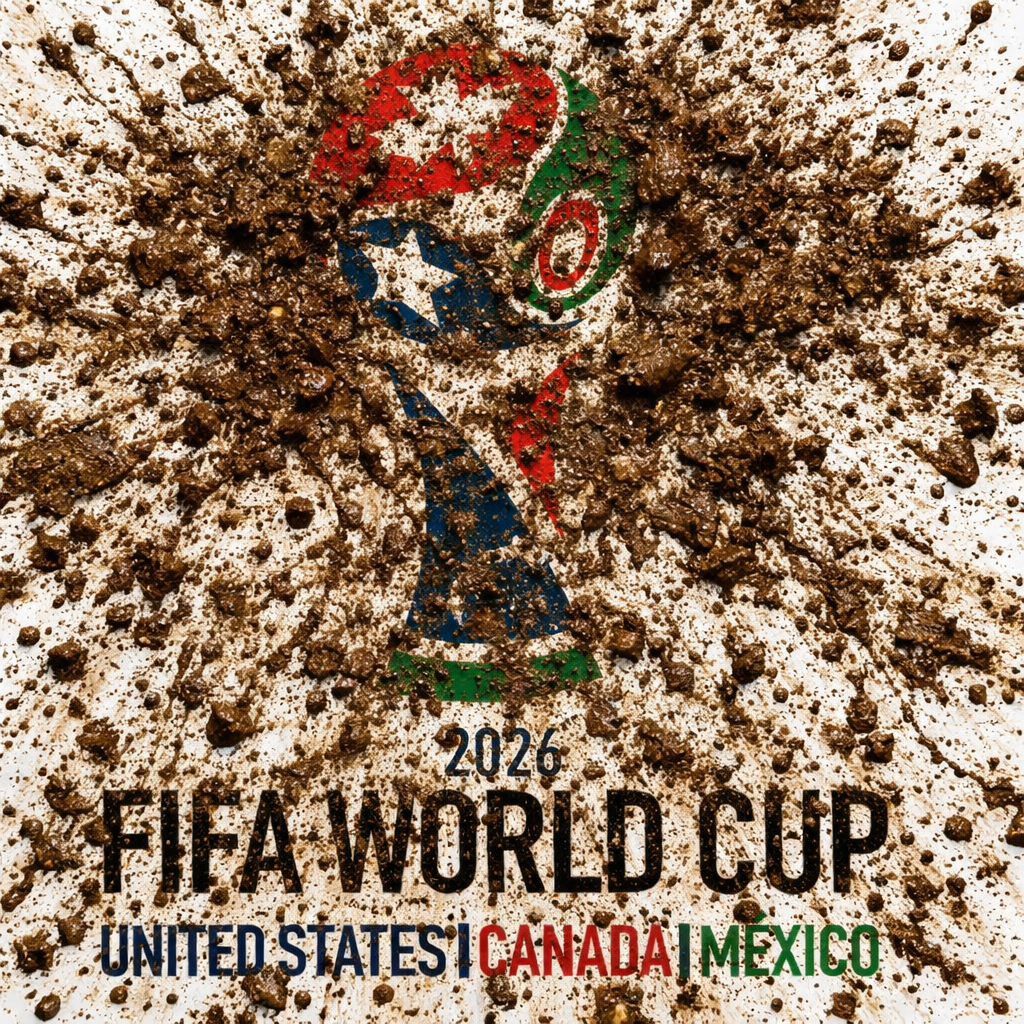
Mud Splattered FIFA world cup logo

I remain convinced that few things galvanise a team more effectively than a sense of injustice or blatant disregard for fair play. The recent incident involving the United States’ striker, Folarin Balogun, illustrates this perfectly. Donald Trump — who has publicly admitted he “didn’t know what a red card is” — intervened in Balogun’s automatic suspension following his dismissal, personally requesting that FIFA President Gianni Infantino “review” the decision.

FIFA subsequently convened a committee to examine the matter, yet no one seems able to identify who sat on it, where it met, or whether any minutes exist. The opacity is striking, giving the impression that the committee was little more than a procedural fiction. Its conclusion — to postpone the ban for a full year — only deepened that impression.

Trump’s justification for the intervention was that he “didn’t think it was a foul,” a remarkable stance from someone with no meaningful experience playing or officiating football. His claim that excluding a star player would be “a big stain” on the match ignores the far more serious stain created by disregarding the rules that govern the sport for everyone else.

FIFA, an organisation that purports to maintain political neutrality, has not helped its own credibility. Its decision to award Donald Trump the organisation’s first-ever “FIFA Peace Prize” — apparently because he did not receive a Nobel Peace Prize — was widely criticised. Many observers noted that the Nobel Committee tends to reward those who resolve conflicts, not those associated with escalating them. The presentation of this award by Gianni Infantino at the tournament draw in January was, for many, an uncomfortable spectacle.

In the end, whether by cosmic irony or the whims of footballing fate, Belgium delivered a decisive response on the pitch, eliminating the United States with a 4–1 victory — the USA’s heaviest defeat since 1990.


Summer Solstice 2026

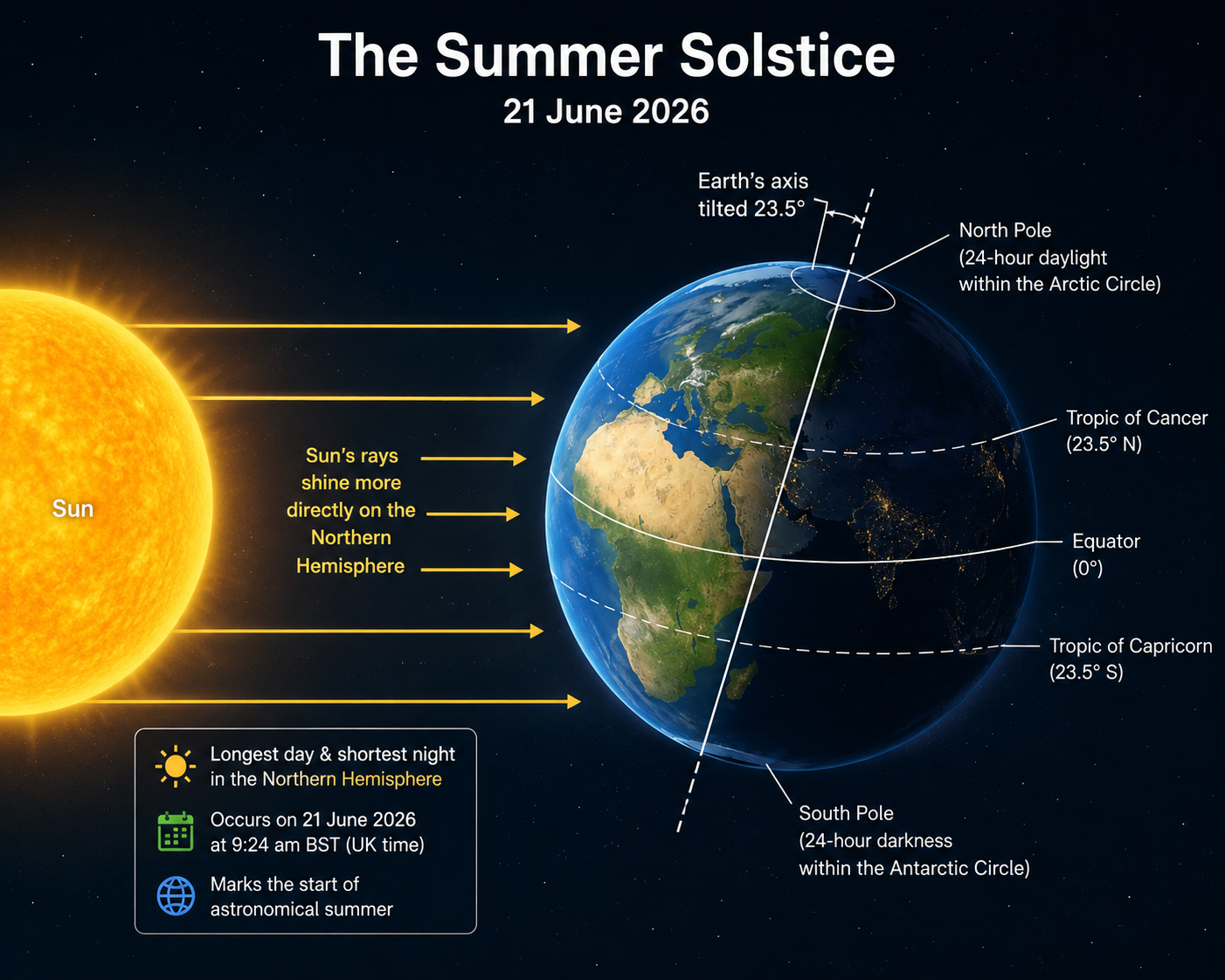
The Summer Solstice on 21 June 2026 marks the longest day and shortest night of the year in the Northern Hemisphere. In the UK, it happens at 9:24 am BST, when the Sun reaches its highest point in the sky. For thousands of years, people have celebrated this special day, with ancient sites such as Stonehenge drawing visitors to welcome the sunrise. In Scotland, midsummer traditions have long included hilltop gatherings, bonfires, music, and celebrations linked to the Sun’s power and the changing seasons. Some communities also associated the solstice period with good fortune, protection, and a strong connection to the natural world. After the solstice, daylight hours gradually begin to shorten, leading towards the Winter Solstice on 21 December 2026, which is 183 days later and marks the shortest day of the year. Today, the Summer Solstice signals the start of astronomical summer and brings the long, bright days that make this time of year so special.

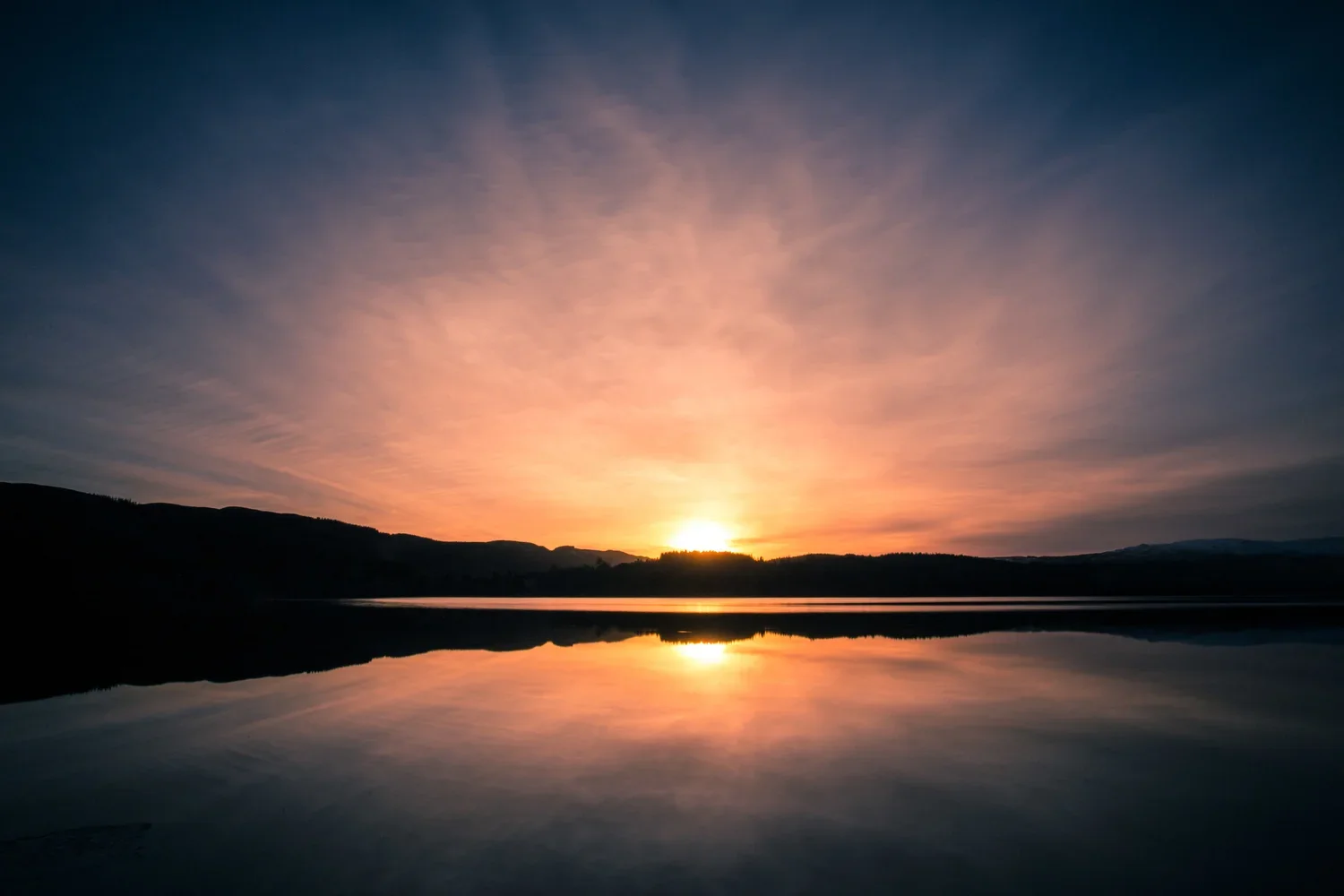
Loch Achray at Sunset
Summer solstice diagram

Currently feeling

It’s possible that I have posted this before but it seems particularly appropriate today. It’s definite that I am James Tiberius Kirk as much as I would like to be.

Times gone by.

Have been meaning to post these old photographs that were past on to me by my sister (Catherine) recently. It was a time of three TV channels on ‘council telly’, cassettes were the heights of technology as long as you had a pencil and the summer seemed to last forwever. Has much changed? Sometime it doesn’t feel like it.

Both photogrpahs feature myself and my brother Tom.

My early engineering days. Appaeently I was into ET at this point, not much has chnaged in some rescpects to that.

Spence Street circa. !980. You can littrealy not drive down this street now due to cars being arked noth sides of the road. Tom rocking the denim jacket even then.